The Sacred Spaces project, is a .6 mile long sanctuary park plan along the Damon Marsh at MLK Regional Shoreline in Oakland CA. It’s a multi-phase planning and resilience initiative focused on the transformation of underutilized and vulnerable shoreline spaces in Oakland into ecologically resilient, culturally grounded, and community-activated landscapes.
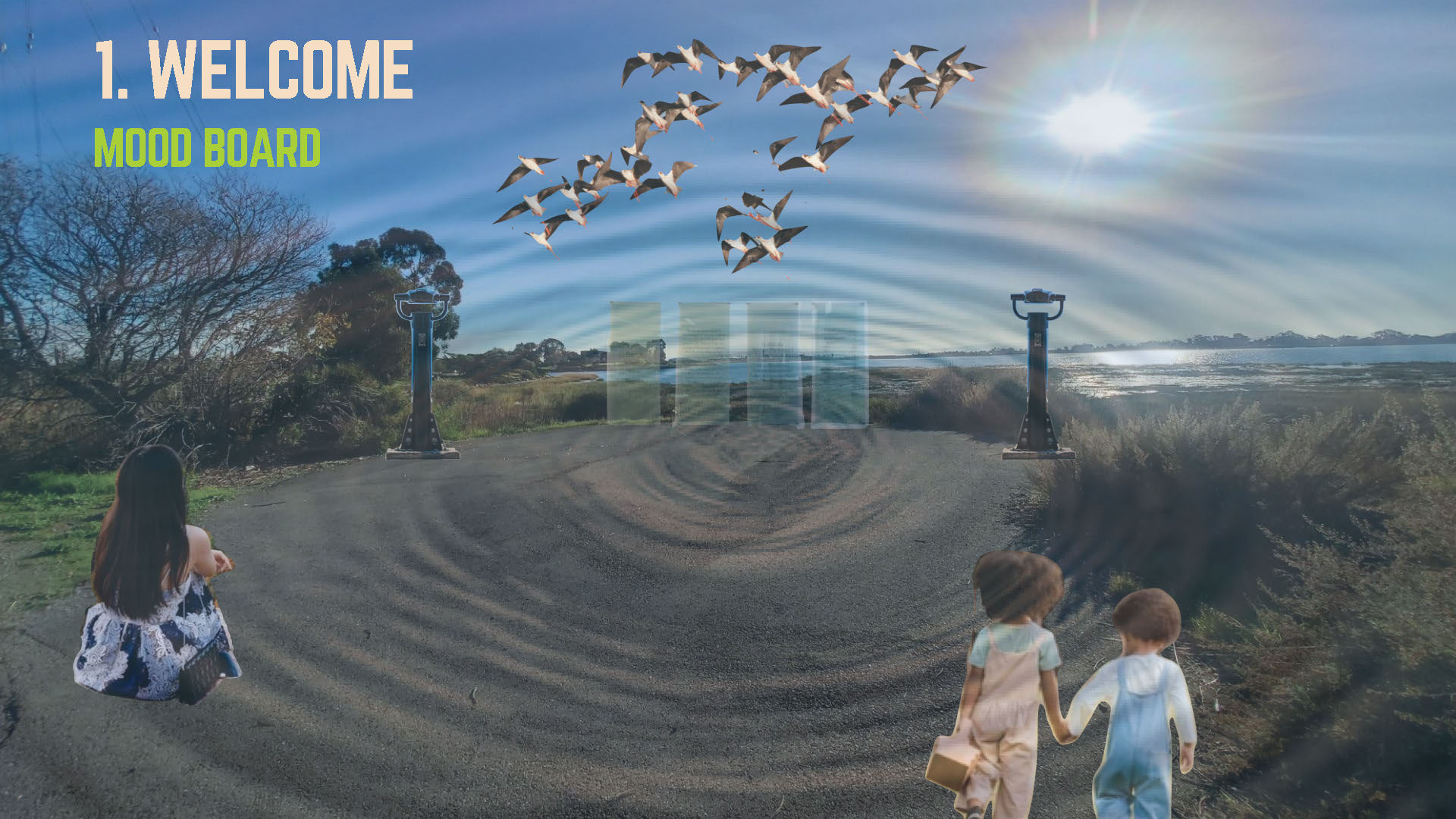

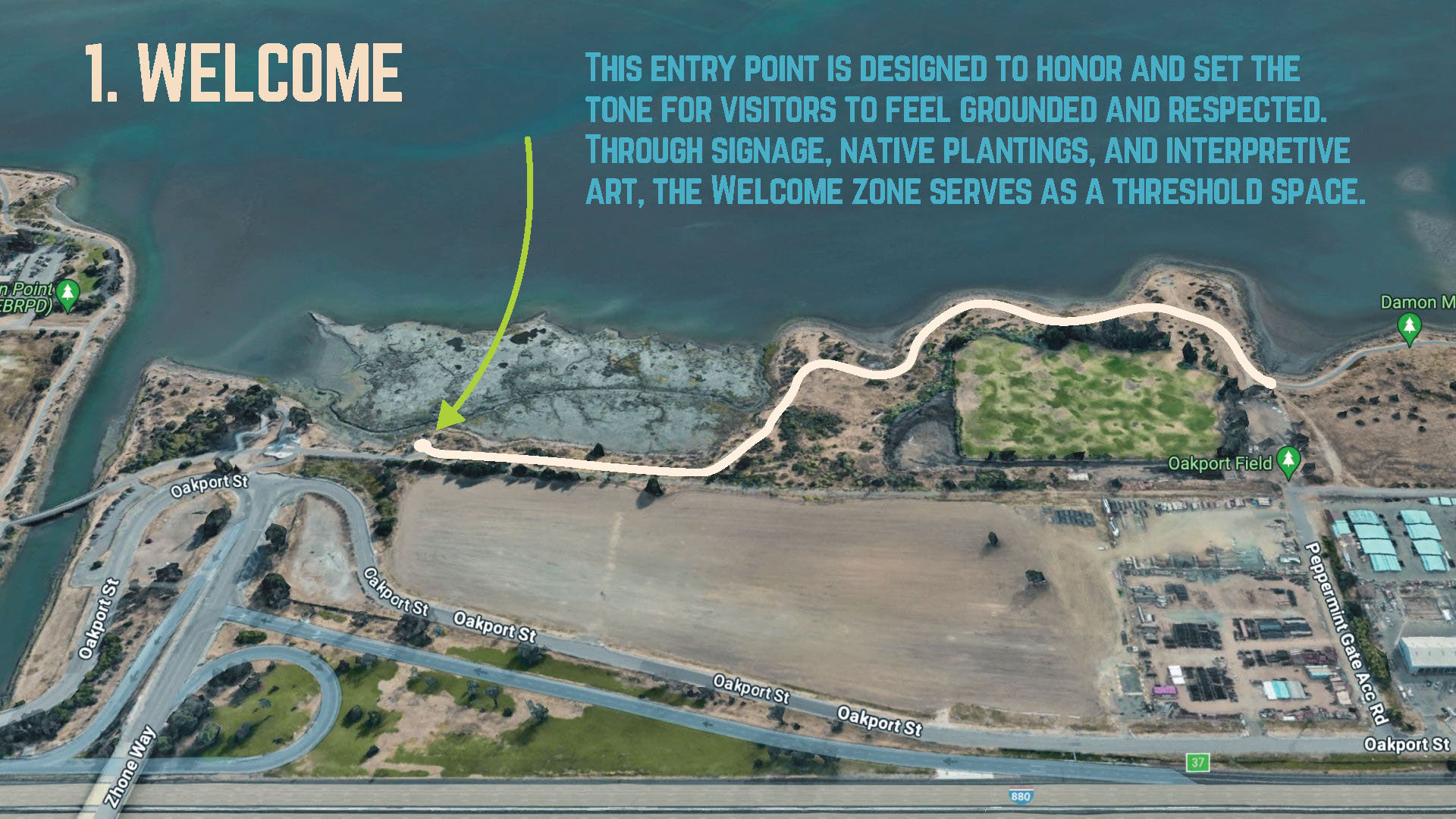


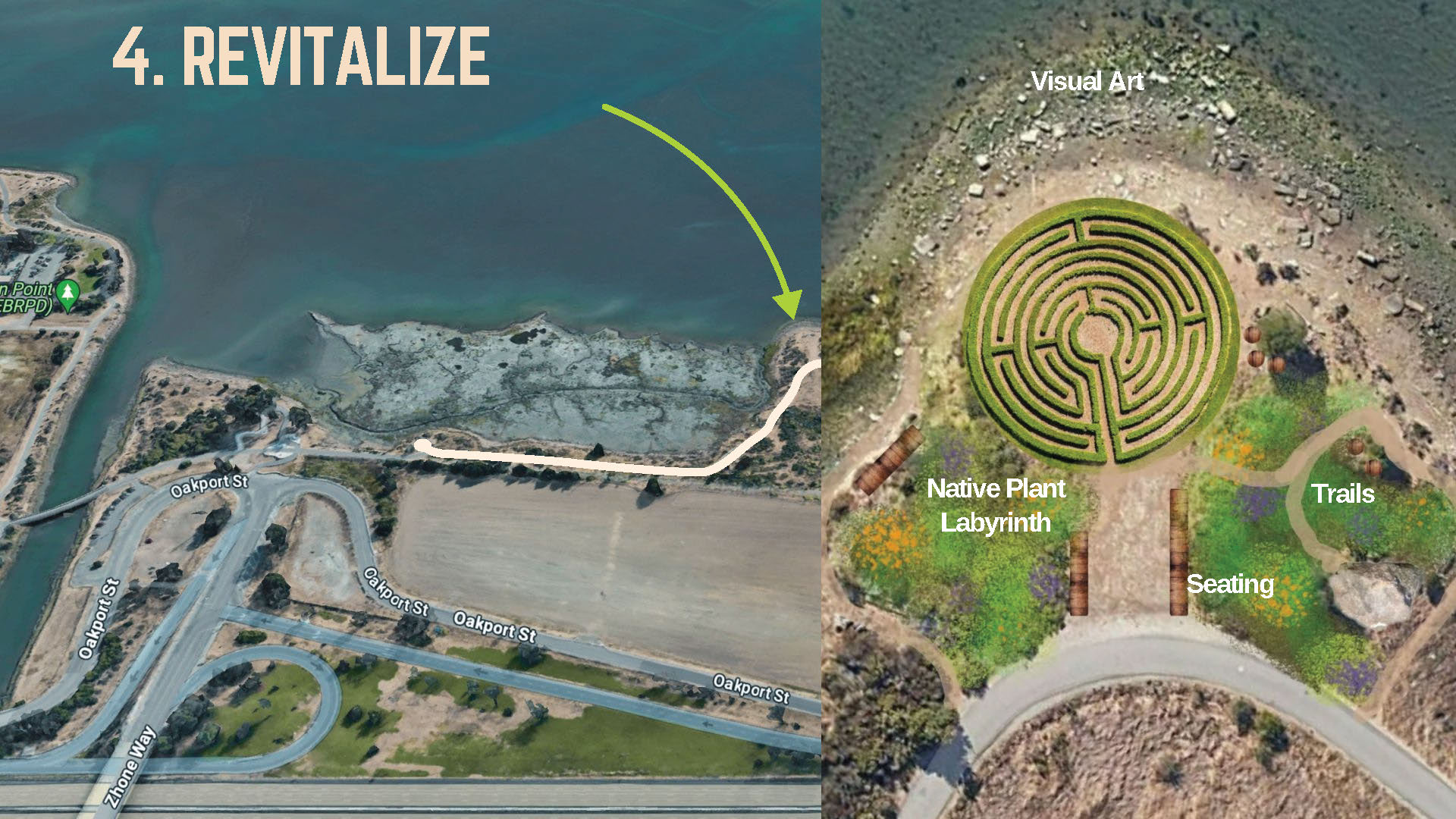

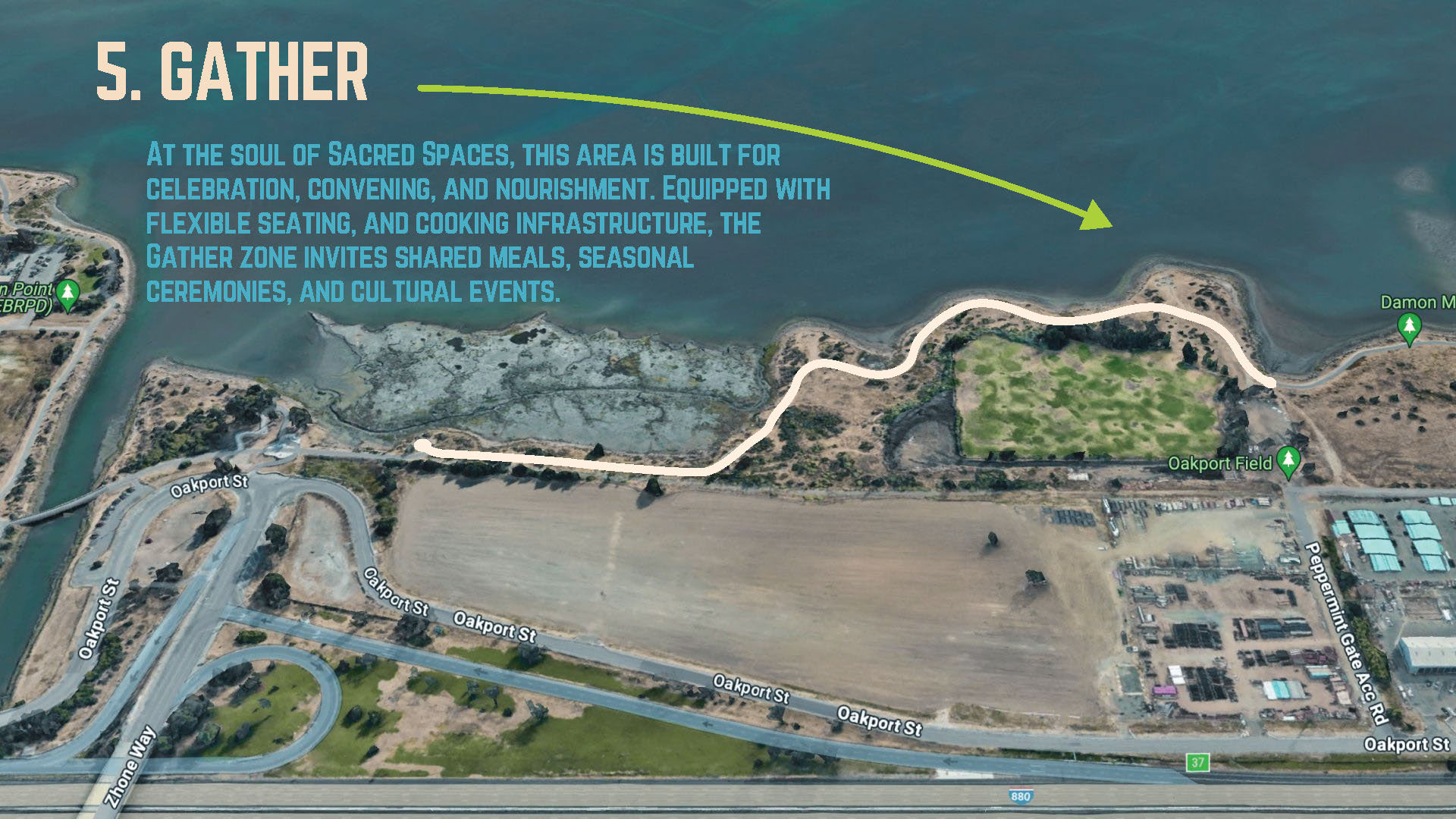


Discover the special areas that will benefit from our Sacred Projects. Each location is carefully chosen to inspire and engage our community, showcasing how we can restore and enhance our environment together. We invite you to learn about these spaces and join us in making a difference.

ENVIRONMENTAL
Sacred Spaces environmental efforts are guided by a deep respect for natureand a dedication to preserving and enhancing the natural beauty of ourcommunity.

EDUCATIONAL
Sacred Spaces provides opportunities for learning, exploration, andmeaningful dialogue about the importance of coastal resilience, habitatconservation, and cultural heritage.

INTEGRATED
Sacred Spaces provides a safe, nurturing sanctuary where individuals canthrive and flourish physically, mentally, and spiritually.

ARTISTIC
Sacred Spaces seeks to engage visitors in meaningful dialogues about history, identity, and the environment, fostering a sense of belonging and connection tothe land.
Oakland is vulnerable to the impacts of sea level rise due to its coastal location and low-lying geography. Rising sea levels increase the risk of flooding, coastal erosion, and saltwater intrusion into groundwater and estuaries. Sea level rise exacerbates the effects of storm surge during extreme weather events, putting coastal communities at greater risk.
Marsh and mudflat elevations are constantly evolving through erosion and deposition as sediment is washed downstream from watersheds and scoured from tidal channels and flats, among other processes. Wind waves appear to be eroding parts of the Damon Marsh trail shoreline, as well as the edge of Damon Marsh itself. The marsh scarp’s concave shape suggests waves are undercutting it and creating an unstable cantilevered marsh edge prone to collapse.
Invasive species often outcompete native plants, alter ecosystem structures, and reduce biodiversity, threatening wildlife that depends on these environments. This disrupts the natural plant diversity, which is crucial for supporting local wildlife. Invasive species alter soil composition, water flow, and light availability. This affects habitat quality for native animals, especially birds, amphibians, and insects that depend on specific plants for food and shelter.
As living shorelines, oyster reefs promote sediment accretion and carbon sequestration, enhancing both shoreline stability and marsh elevation. This makes native oyster restoration a valuable tool for building climate resilience, contributing to healthier coastal ecosystems and stronger defenses against climate change impacts.
Removing invasive species allows native plants to recover, restoring the habitat for fish, birds, and other wildlife. By restoring native vegetation, these habitats become more adaptable to environmental stressors, helping to protect coastal infrastructure and communities through nature-based solutions. Healthy native vegetation in coastal marshes also acts as a natural buffer against storms, waves, and flooding, enhancing resilience to climate impacts such as sea-level rise and increased salinity.
Community-based design in habitat restoration places local voices at the heart of the planning process, ensuring projects reflect the needs and values of the people they serve. By actively engaging the public in design decisions, these efforts foster a sense of ownership and long-term stewardship. Community members bring invaluable knowledge, lived experience, and creativity—enhancing restoration outcomes and building stronger connections between people and place.
Find answers to your questions about the Sacred Spaces project.
Ninth Root exists to restore the sacred bond between land, culture, and community. Through the power of environmental justice, education, and creative expression, we work to heal both ecosystems and people—uplifting the voices of Black, Indigenous, and frontline communities; we design spaces, programs, and experiences that are rooted in local knowledge and driven by the urgency of climate and cultural resilience. Our mission is to cultivate inclusive, regenerative futures where our community has the right to thrive, breathe, and belong.
The Sacred Spaces project focuses on restoring and enhancing our community’s natural environments. We aim to create inviting spaces for education and engagement. Whether you’re looking to learn more, participate in events, or support our mission, we’re here to help you every step of the way.
We host various events, including community workshops and restoration initiatives. These activities are designed to bring people together, promote learning, and support local ecosystems. Stay tuned for our linktree to catch up on what’s happening in the community!
To partner with us as an organization, please contact us.
Donations are vital for our work! You can contribute through our fiscal sponsor’s website. Every dollar helps us in our efforts to restore, educate, and engage our community.
For further questions, feel free to reach out through our ‘Contact’ page, or connect with us on social media. We’re here to help and would love to hear from you!
Our educational programs aim to foster a greater understanding of local ecosystems and best practices for conservation. We offer hands-on experiences to engage and empower participants.
We use various methods to assess risks, including community input and scientific data. Assessing erosion and sea level rise helps us prioritize projects that make the most impact.
Yes, everyone is welcome to join our workshops! They are designed for all ages and experience levels, aiming to bring the community together while learning about important environmental issues.
You can find updates about our projects on our ‘Events & Updates’ page and through our Instagram. We love to share our progress with you!